Combines
Pre-Harvest Combine Checklist
What to inspect before your combine goes into the field. A step-by-step checklist for the header, threshing system, cleaning shoe, engine and the spare parts worth carrying.
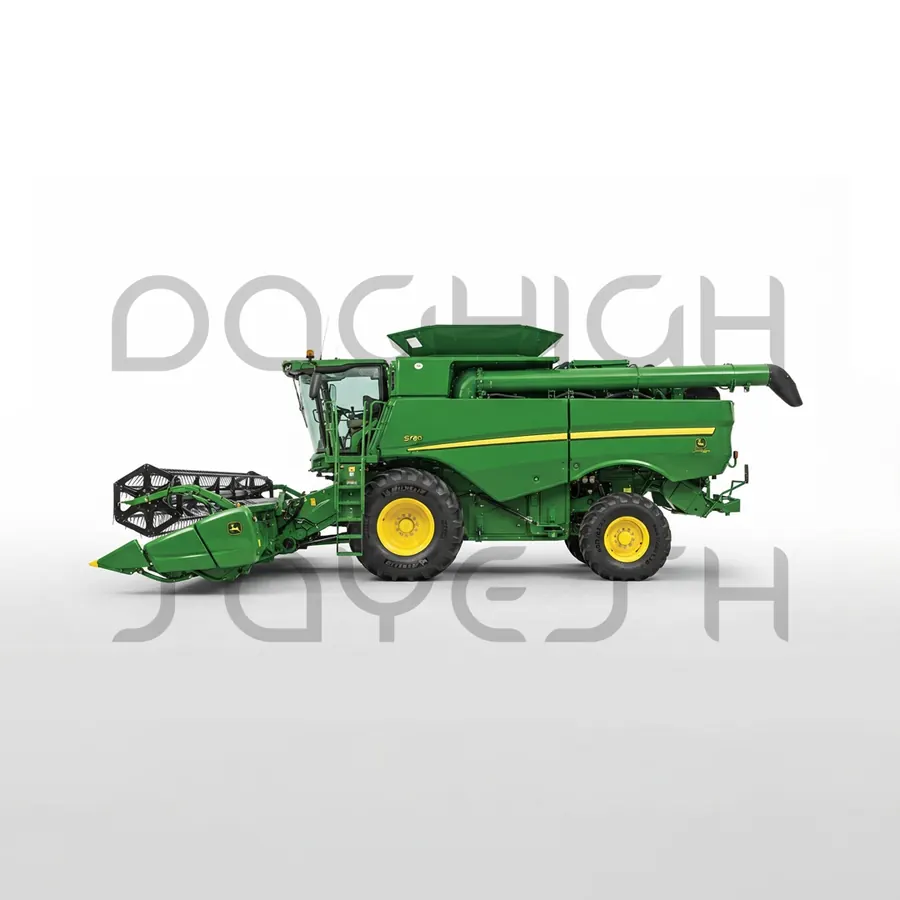
Every hour a combine stands still at the peak of harvest is crop left in the field and cost you don’t get back. Most mid-season breakdowns give warning signs that a careful pre-season inspection will catch. Work through this checklist from the front of the machine to the back.
Header and cutterbar
The header is where the crop first meets the machine, and cut quality affects every stage after it.
- Knife sections and guards: replace chipped, dull or loose sections. Bent guards cause ragged cuts and torn stems.
- Cutterbar clearance: check the knife’s alignment and clearance against the guards; excess play wears knives quickly.
- Reel: inspect tines and bearings for breakage and play.
- Auger and fingers: look for worn edges and loose bolts.
Feeder house and threshing
- Feeder chain: check chain tension and the condition of the slats. A slack chain jumps sprockets.
- Cylinder or rotor: inspect rasp bars for even wear. Uneven wear causes vibration and hammers the bearings.
- Concave: set cylinder-to-concave clearance from your operator’s manual for this season’s crop (wheat, barley, canola and so on). There is no one setting for every crop.
Cleaning shoe and straw walkers
- Clear last season’s residue from the chaffer and sieves, and check them for tears and corrosion.
- Inspect fan blades for cracks and imbalance.
- Check the straw walkers and their crankshaft bearings for play.
Belts, bearings and lubrication
Replace cracked, glazed or frayed belts now, not in the middle of a field. Set belt tension to the manual and grease every lubrication point. A bearing that rumbles or has play when you turn it by hand won’t survive a season of heavy work.
Engine, cooling and fire safety
- Change oil, fuel and air filters and check coolant level.
- Blow out the rotary screen and radiator with compressed air; dust and chaff are the leading cause of engines overheating in the field.
- Clear chaff and dust build-up around the engine and exhaust, and carry a charged fire extinguisher.
A season spares box
A small box of spares can turn a lost day into a half-hour repair. We suggest:
- A few cutterbar knife sections and guards
- The high-wear belts for your model
- Shear bolts and a few common bearings
- Oil and fuel filters
To order these correctly, note each part number in advance. If you’re not sure where to start, read our guide to finding the right part number.
Test run before the field
After the inspection, run the machine unloaded for a few minutes with every system engaged. Listen for unusual noises, watch for vibration and notice any burning smell. After shutting down, carefully compare bearing temperatures; one that runs much hotter than the rest needs a closer look.
A combine that is prepared carefully before the season is far less likely to stop you mid-field. If you need help sourcing the parts on this list, send us the part number or machine model.